
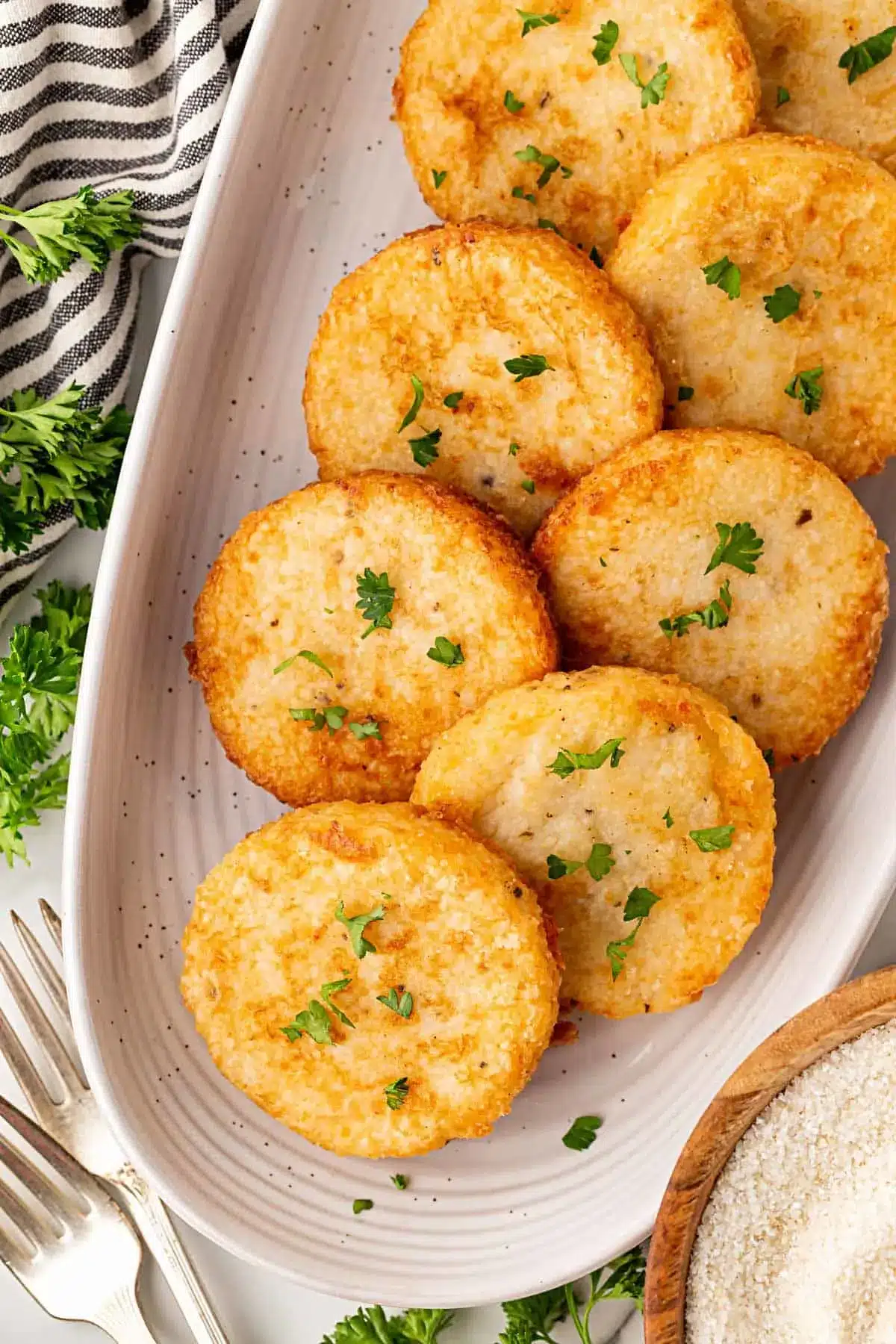
Grit cakes turn chilled, cooked grits into crisp golden rounds with a soft, creamy center. The grits are cooked until thick, chilled until firm, cut into rounds, coated lightly, and fried until both sides are browned.
They work as a breakfast item, appetizer, or savory side. Their mild corn flavor pairs especially well with the lemon-garlic sauce in easy shrimp scampi pasta.
Cook the grits slowly so the grains hydrate fully and the mixture becomes thick enough to set. Stir near the bottom of the pan to prevent scorching.
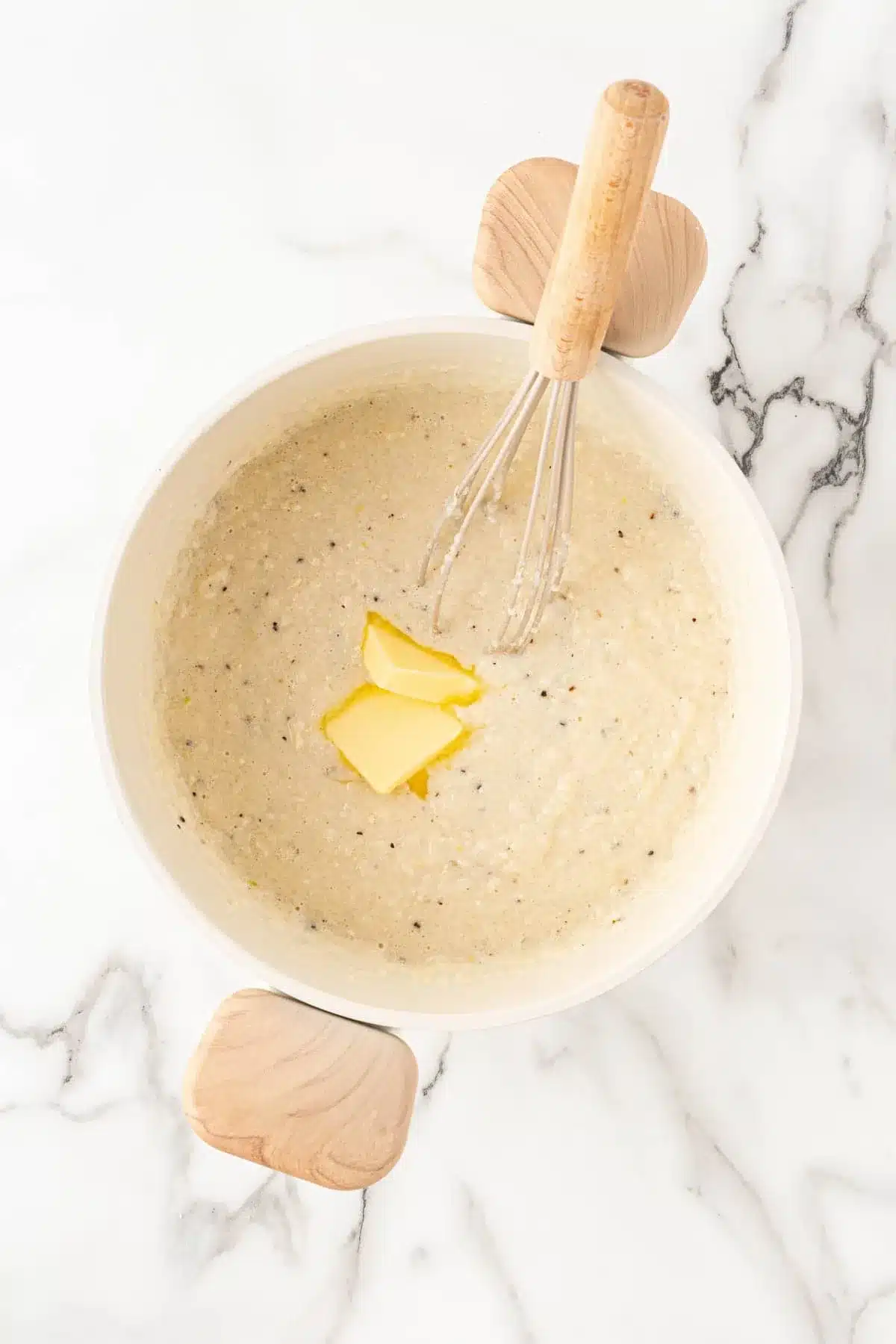
Add butter only after the grits have softened, then taste the mixture before it is chilled. Seasoning is harder to distribute evenly once the slab becomes firm.
Spread the cooked grits in an even layer and smooth the top. Uniform thickness helps every cake brown at the same rate during frying.
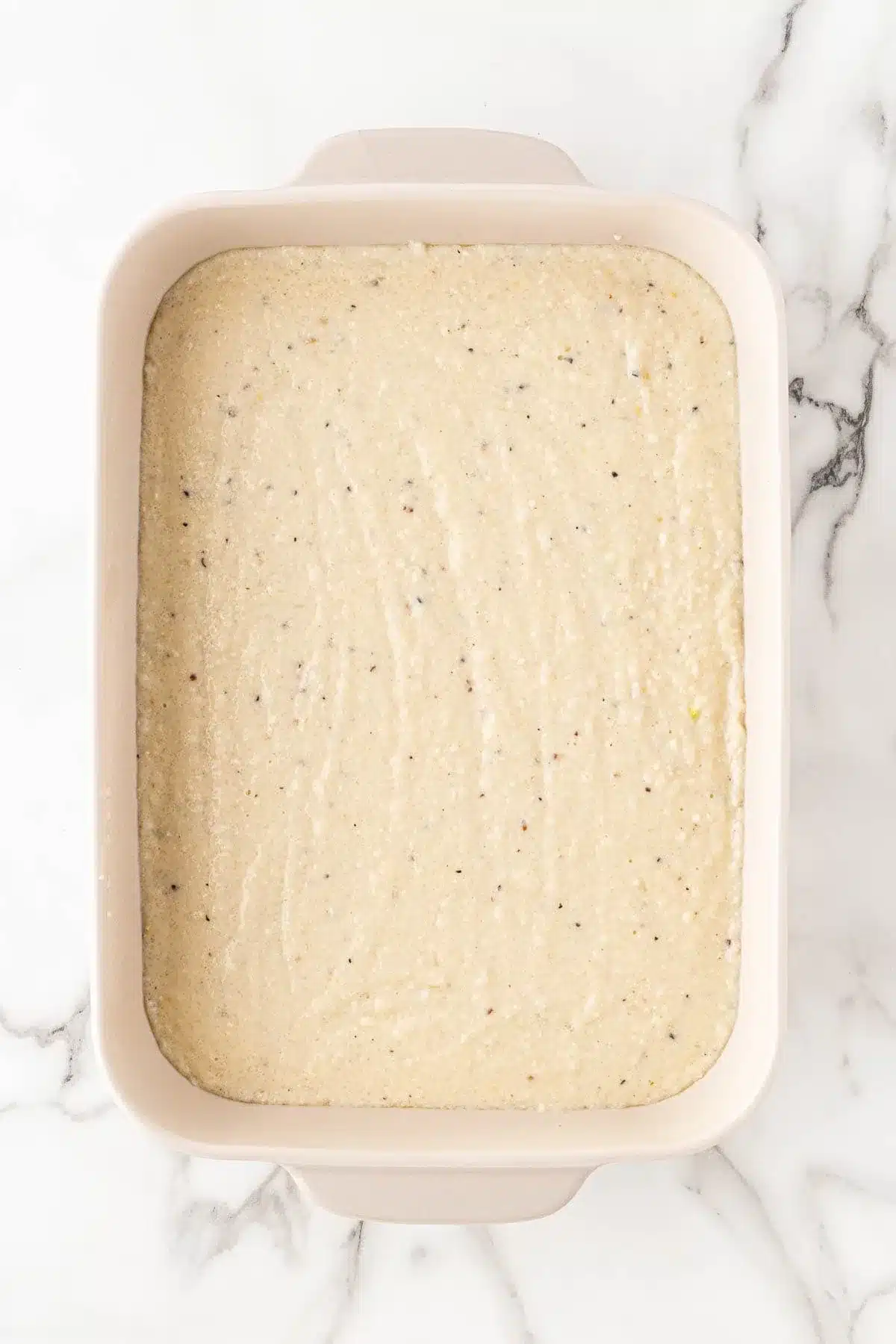
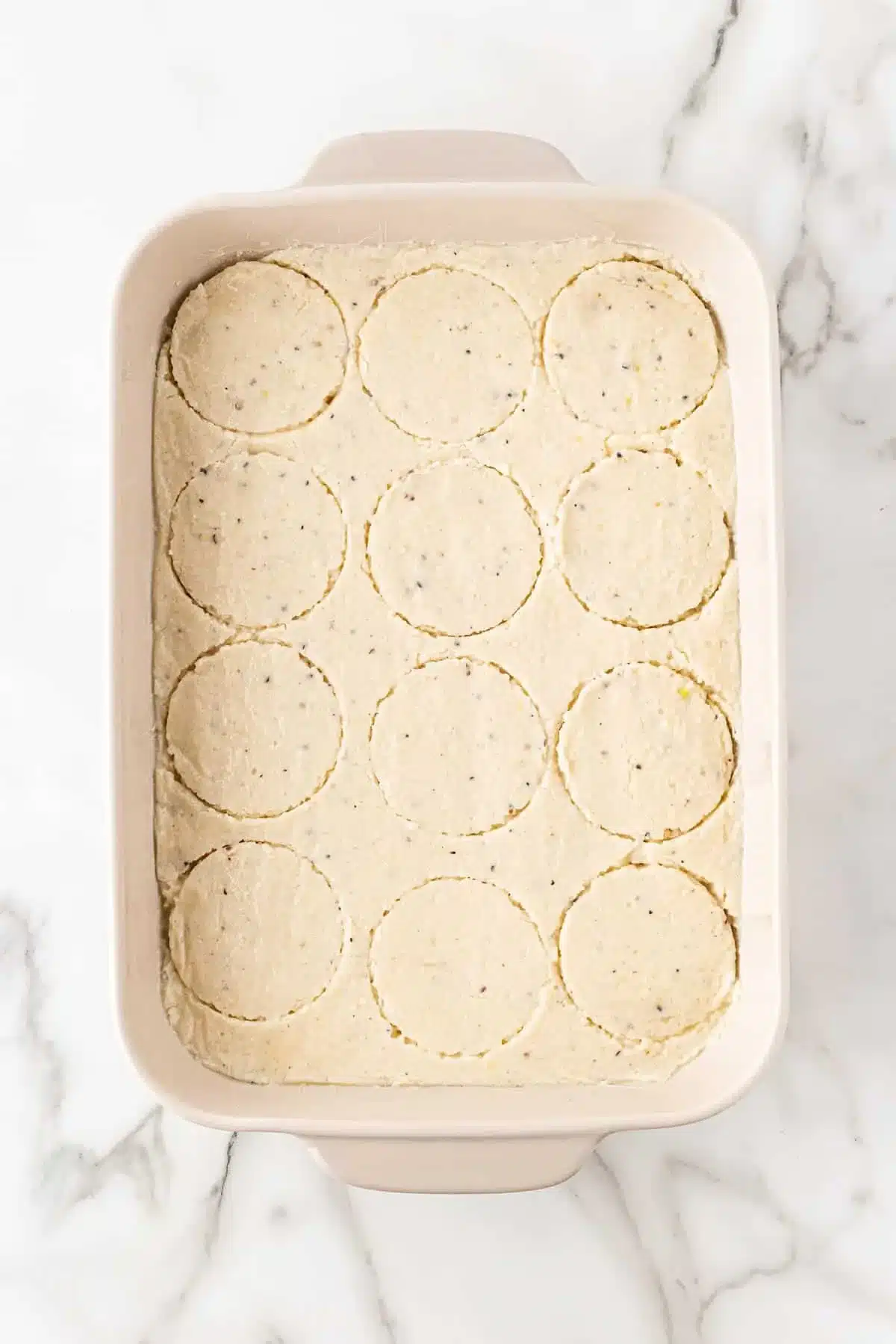
Chill the slab until it is completely firm before cutting. Clean, compact rounds are less likely to crack when they are coated and transferred to the skillet.
Why These Grit Cakes Hold Their Shape
The most important step is chilling the cooked grits until completely firm. A shallow pan creates an even layer, making the rounds easier to cut and less likely to break in the skillet.
Stone-ground or old-fashioned grits provide the texture needed for sturdy cakes. Instant grits soften too quickly and do not set with the same dependable structure.
For a weeknight Southern-style plate, the cakes can sit beside colorful sheet pan chicken fajitas without competing with the bold seasoning.
Key Preparation Tips
Cook the grits until thick but still spreadable, then stir in the butter off the heat. Press plastic wrap directly against the surface before refrigerating so a dry skin does not form.
Cut the chilled slab with a round cutter and handle each cake gently. If the rounds feel soft, return them to the refrigerator before coating and frying.
A lighter lunch plate can combine one or two cakes with chicken club pasta salad, which adds crisp vegetables and a creamy contrast.
How to Fry Grit Cakes Evenly
Heat the oil before adding the cakes and leave space between them. Crowding lowers the oil temperature, which can make the coating absorb oil instead of turning crisp.
Wait until the first side is deeply golden before flipping. A properly formed crust releases more easily and protects the creamy middle.
A fresh Thanksgiving salad balances the fried exterior with apples, greens, pomegranate, and pecans.
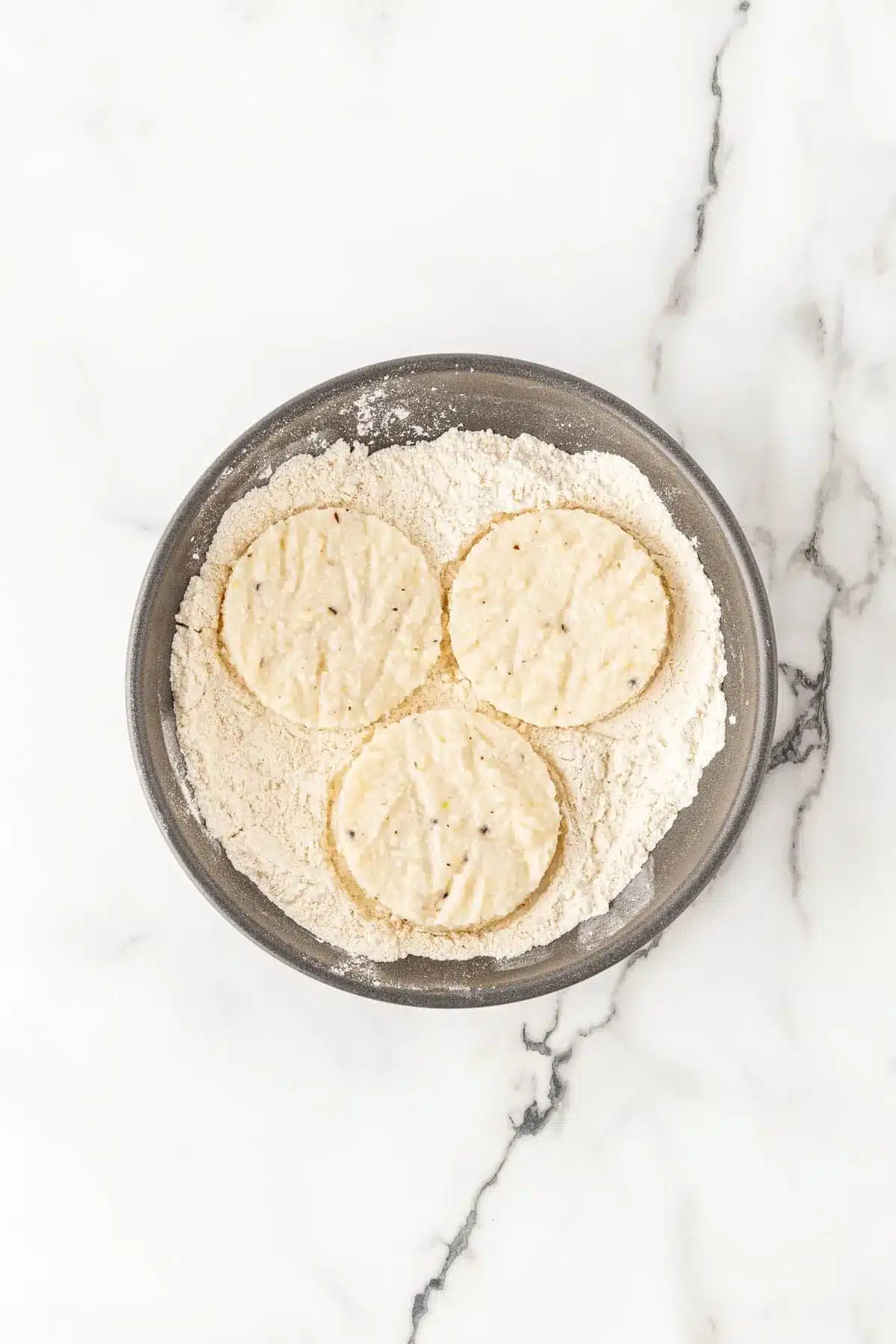
Dust off excess flour before frying so loose coating does not burn in the oil. Work in batches and leave enough space around each cake for even browning.
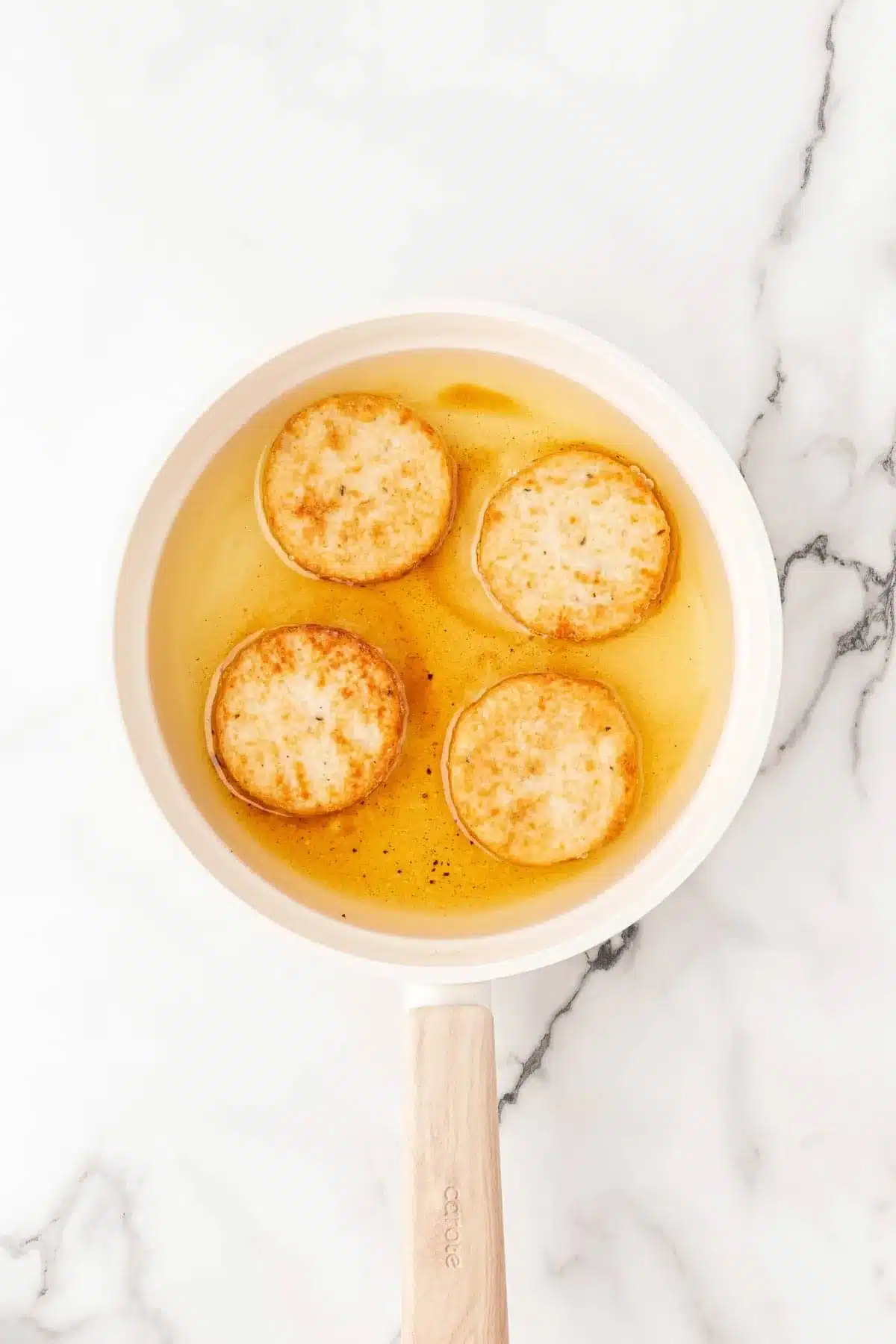
Turn the cakes only after the first side forms a golden crust. Moving them too early can tear the surface and make the centers difficult to handle.

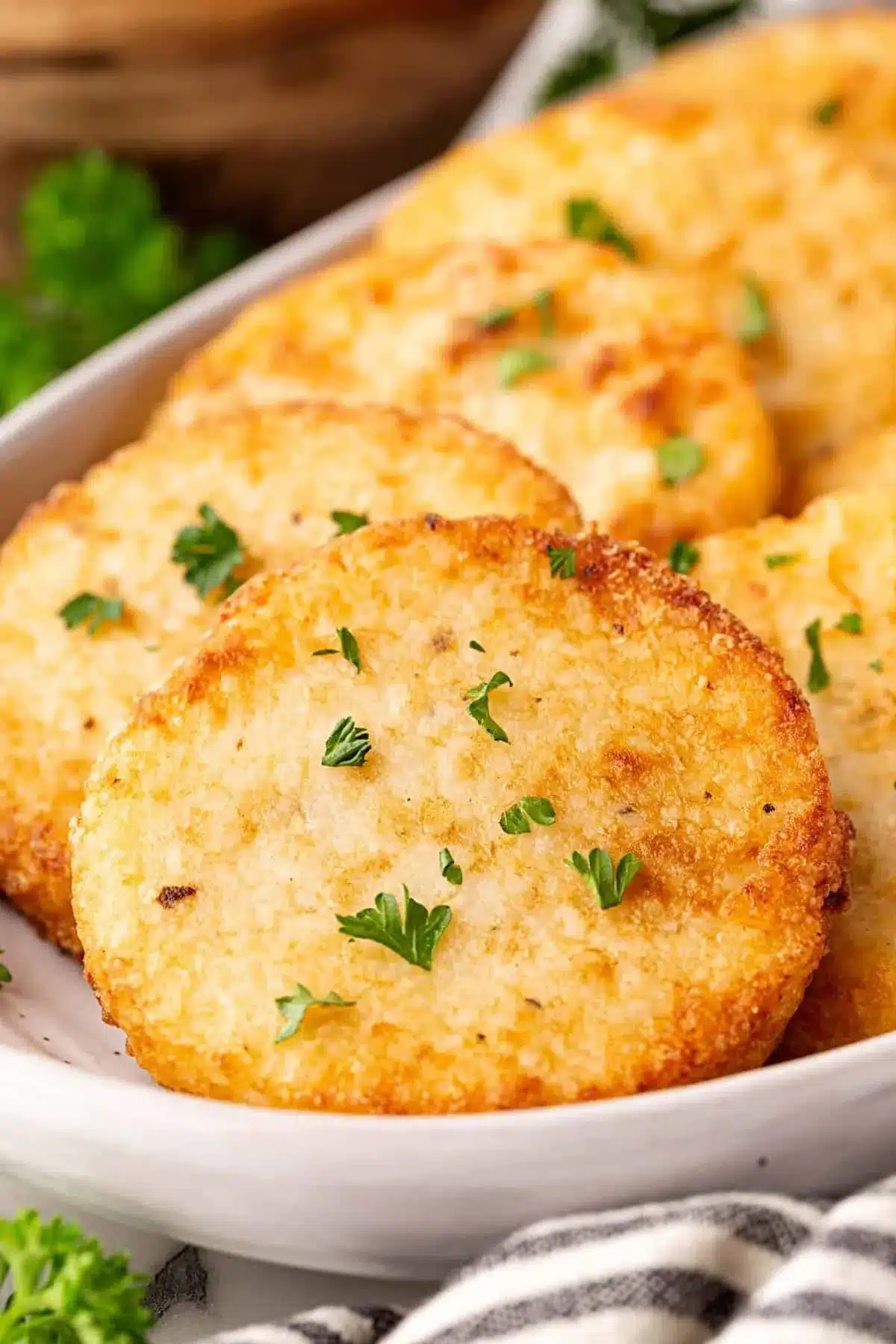
Drain the fried cakes briefly on a rack or absorbent paper, then serve while the crust is crisp. A light herb garnish adds freshness without covering their corn flavor.
Serving and Storage
Serve grit cakes hot, when the contrast between the crust and center is strongest. They can also be topped with a poached egg, sautéed vegetables, or a spoonful of savory gravy.
For a picnic-style spread, their compact shape fits naturally beside a chilled really good pasta salad.
Refrigerate cooled leftovers promptly in a covered container. The USDA leftovers guidance explains safe cooling, refrigeration, freezing, and reheating practices.
The complete collection of dinner recipes provides additional main dishes that can be planned around this versatile side.
Ingredient Roles and Troubleshooting
The broth seasons the grits from the inside, while butter rounds out their corn flavor and helps the chilled slab stay creamy. Salt and pepper should be adjusted before chilling because the flavor is harder to correct after the rounds have been cut.
A thin, even coating creates a crisp shell without hiding the grits. Shake away excess flour before frying; loose flour can fall into the oil, darken quickly, and leave bitter specks on later batches.
If a cake breaks while cutting, press the piece back into the slab and chill it longer. Soft cakes usually indicate that the grits contained too much liquid, were spread too thickly, or did not spend enough time in the refrigerator.
If the outside browns before the center becomes hot, lower the heat slightly. If the cakes absorb oil and remain pale, allow the pan to regain temperature before adding the next batch.
The cakes can be cut smaller for appetizers or wider for a plated side. Keep the thickness consistent within each batch so every piece heats at the same rate.
Make-Ahead Timing
For the easiest schedule, cook and spread the grits the evening before serving. The fully chilled slab can remain covered in the refrigerator until the rounds are cut.
Cut rounds may also be arranged on a lined tray and refrigerated for several hours. Coat them shortly before cooking so the exterior stays dry enough to crisp.
When reheating already fried cakes, use an oven or air fryer instead of a covered microwave whenever possible. Dry circulating heat restores more of the crust while warming the creamy center.
Frequently Asked Questions
Can grit cakes be prepared ahead?
Yes. Cook and chill the grits one day ahead, then cut and fry the cakes shortly before serving.
Can they be baked or air-fried?
They can. Brush firm rounds lightly with oil before baking or air-frying, and turn them once so both sides brown.
Can grit cakes be frozen?
Freeze the cut rounds in a single layer until solid, then transfer them to a freezer-safe container. Thawing overnight gives the most even result when reheated.
A meal built around savory grits can end with a slice of pineapple pound cake.
During cooler months, homemade apple pie offers a warmer spiced dessert for the same table.
PrintGrit Cakes Recipe
Crispy on the outside, creamy on the inside, these grit cakes are it, boos! Made with stone ground grits, seasoned with a flour coating and fried until extra crispy on the outside.
- Prep Time: 10 mins
- Cook Time: 20 mins
- Total Time: 150 mins
- Yield: 16, 16 small cakes 1x
- Method: Side Dish
- Cuisine: Southern
Ingredients
- 2 cups milk
- 2 cups chicken stock
- ½ cup yellow onion (grated )
- 3 garlic cloves (minced )
- 1 cup stone ground grits
- 1 ½ teaspoons kosher salt
- ½ teaspoon coarse ground black pepper
- 4 tablespoons unsalted butter
- ¾ cup all-purpose flour
- 1 teaspoon seasoned salt
- Neutral oil for frying
Instructions
- Prepare a 13×9 pan with nonstick cooking spray and set aside.
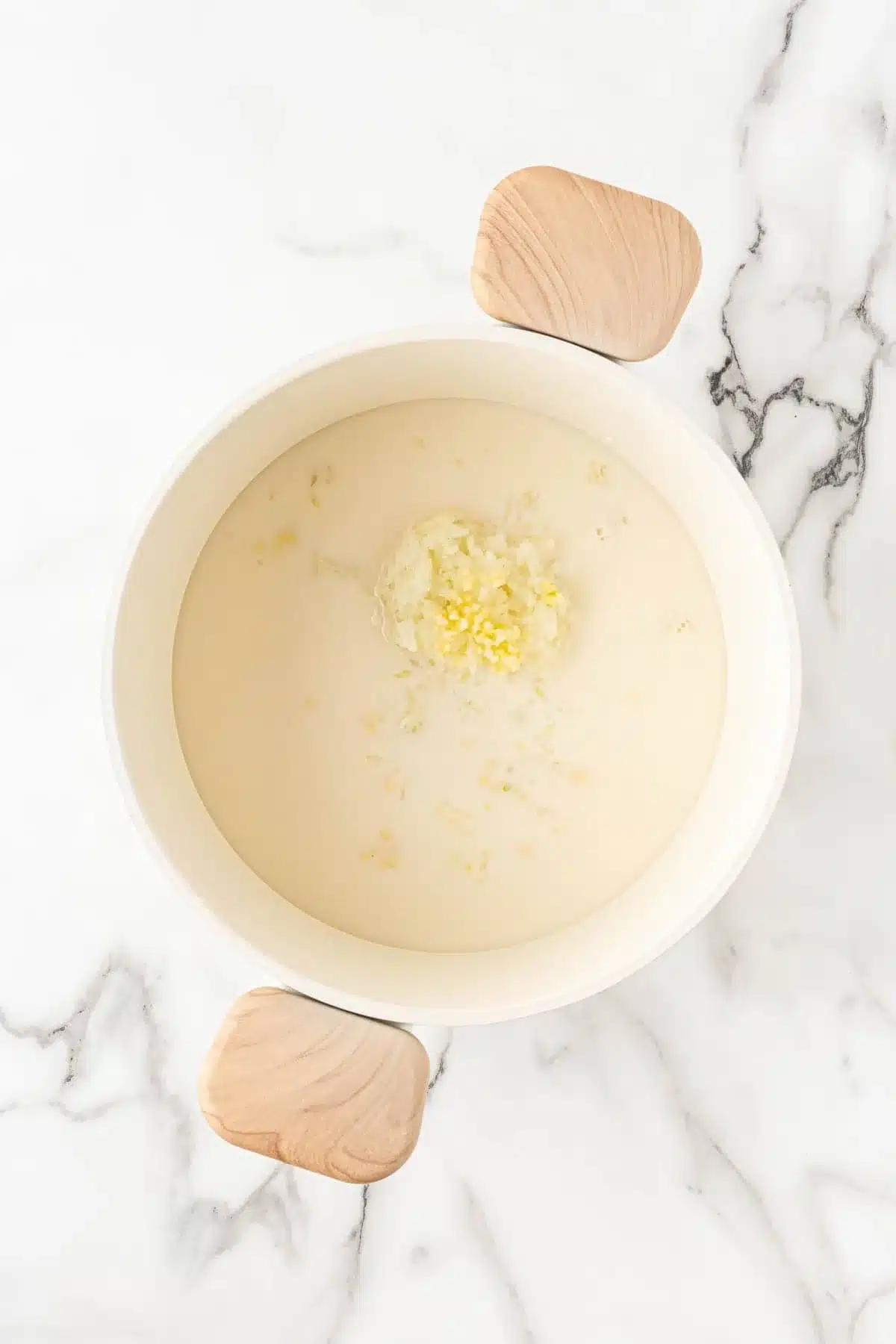
- Add the milk, chicken stock, onion, and garlic to a small Dutch oven and heat over medium high heat until simmering vigorously, but not a rolling boil.
- Remove from the heat and stream in the grits while whisking.
- Place the grits back on the stove and cook on low. Add salt and pepper and cover with a lid. Stir frequently, focusing especially on the bottom and sides of the pan, where grits are most likely to stick and burn. Cook until the grits are thickened, but still pourable, about 15 minutes.
- Remove from the heat and stir in the butter until completely incorporated. Pour into the prepared pan and let cool to room temperature, about 30 minutes. Cover in plastic wrap placed directly on top of the grits. Place in the refrigerator for at least 2 hours until firm.
- Once you are ready to cook, stir the flour and seasoned salt together and place in a pie plate or other shallow dish. Then use a 2.5-inch round cutter to cut out circles of chilled grits. Coat both sides of the rounds in seasoned flour and shake off any excess.
- Heat one inch of oil in a large nonstick or cast iron skillet over medium heat until hot. When the oil reaches about 350°F, gently lower half of the floured grit cakes into the oil and cook for 2-3 minutes until golden brown on the bottom. Gently flip the cakes on the other side and continue cooking for another 2 minutes. Remove the cakes and drain on a paper towel-lined plate. Allow the oil to return to temperature and repeat with the remaining cakes. Enjoy hot!
Nutrition
- Calories: 115 kcal
- Sugar: 2 g
- Fat: 4 g
- Carbohydrates: 15 g
- Protein: 3 g